Two economic engines keep Fernie moving as new provincial data confirms the growing economic force of outdoor recreation across British Columbia. Victoria released new numbers showing just how much British Columbians rely on the outdoors — not only for joy, sanity, and identity, but for real economic horsepower.
Outdoor recreation, once dismissed as a “nice-to-have,” is now officially pegged at $17 billion in annual economic activity across the province. That’s nearly neck-and-neck with B.C.’s $18-billion mining sector. In other words, the trails, ski hills, rivers, campgrounds, and wild spaces that shape our lifestyle are also shaping our economy in ways that can no longer be ignored.
And nowhere is that more obvious than in Fernie.
Because while the provincial report crunches the numbers, Fernie has been living the story.
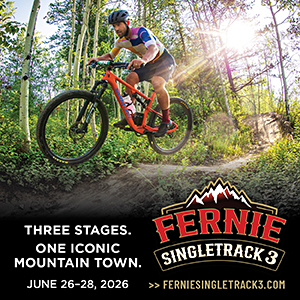
We are a town built by miners and a town filled with mountain bikers, sledders, anglers, skiers, trail builders, and people who moved here simply because waking up in the mountains felt like a better life. The rest of the province is only now quantifying what this valley embodies: the power of a two-engine economy.

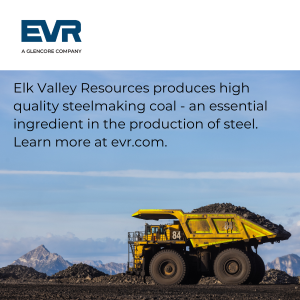
Mining, steady and dependable, has kept Fernie working, housed, and humming for generations. It still does. It puts food on tables, supports contractors and suppliers, and funds everything from minor hockey to community events and infrastructure. Anyone who lives here knows the heartbeat of the Elk Valley includes shift change.
But look around town today — the packed trailheads, the hotels full in shoulder season, the lineups outside coffee shops on bad weather days, the steady stream of people moving here for lifestyle instead of work — and it’s clear that recreation isn’t just along for the ride. It’s pulling real weight.
Mountain biking, hiking, skiing, paddling, wildlife viewing, RV travel — these aren’t fringe hobbies anymore. They’re economic drivers, attracting visitors, entrepreneurs, remote workers, young families, and retirees. And unlike industries that rise and fall with global markets, recreation is renewable. The more we take care of our trails and watersheds, the stronger the economic ripple becomes.
This is Fernie’s advantage: we don’t rely on one industry — we thrive on two.
Few towns in B.C. can say that.
The new provincial data doesn’t tell Fernie anything it didn’t already know. But it does validate something important: the future of rural B.C. is going to belong to communities that balance resource strength with recreation appeal. Fernie has been ahead of that curve for years.
Here, mining and mountain culture don’t cancel each other out — they hold the valley together. One provides stability. The other provides momentum. Together, they create the unique blend that keeps Fernie resilient, vibrant, and unmistakably alive.
And now the numbers prove it.